
Designing for Safer, Longer Lasting Chemical Injection
When you think about a chemical injection pump, it is easy to focus on the pump itself: how much chemical it can deliver, how little power it uses, or how precisely it can control injection.
But the details inside and around the pump head matter just as much.
The pump head, or injector head, is where the chemical is handled, contained, and delivered into the process. Its design can affect how easily an operator manages leakage, how much maintenance is required, and how long the equipment holds up in the field.
At LCO Technologies, we designed our pump head with those practical field considerations in mind.
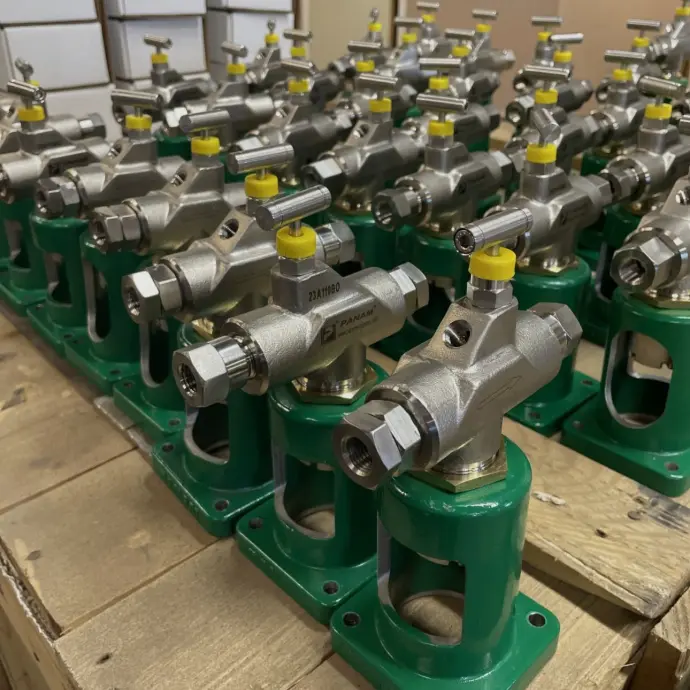
Built with leakage management in mind
Chemical leakage is more than a maintenance issue. Depending on the chemical being injected, an uncontrolled leak can create a mess, expose equipment to chemical damage, and create an unnecessary hazard for the operator.
That is why the LCO pump head includes a threaded and tapped vent.
Instead of leaving the vent open, operators can connect tubing and redirect any leakage to a suitable collection point. This gives the operator a practical way to manage chemical that may escape through the vent rather than allowing it to spill directly around the pump.
It is a small design choice that can make a big difference when working with hazardous or difficult to handle chemicals.
A bonnet assembly helps contain the pump head
The LCO pump head also incorporates a bonnet assembly designed to help prevent leakage through the pump head.
The goal is simple: keep the chemical where it belongs and make the equipment easier to manage when it is in service.
Our priming valve also uses a bonnet, adding another layer of containment and protection around an area that operators regularly interact with during priming and maintenance.
These features are not about adding complexity for the sake of it. They are about thinking through what happens at the equipment level when a pump is operating day after day in the field.
Stainless steel for long term durability
The materials used to build a pump head matter, particularly when it is exposed to chemicals and demanding operating environments.
LCO's pump head is made from stainless steel, providing a durable, corrosion resistant foundation designed for long term service.
For operators, that means investing in a component built with longevity in mind rather than treating the pump head as a disposable part of the system.
Of course, material compatibility still needs to be considered for the specific chemical and application. Different chemicals can require different materials throughout the wetted system, so selecting the appropriate configuration remains important.
Standard sizing means more flexibility
The LCO pump head is also built to a standard size, which means it can be used on other compatible pump systems.
While we designed the head for our own equipment, we know that field operations do not always involve a single pump brand or configuration. Standard sizing gives operators and maintenance teams another layer of flexibility when replacing or upgrading components.
It can also make the transition to LCO equipment easier when operators are already familiar with standard 5100 pump configurations.
The advantage is in the details
A chemical injection pump needs to do more than deliver chemical at the right rate.
It needs to work reliably in the environment where it is installed. It needs to be practical for the people who maintain it. And when the chemical being handled is hazardous, the equipment should be designed with containment and leakage management in mind.
That is why the LCO pump head combines:
✓ A threaded and tapped vent for controlled leakage redirection
✓ A bonnet assembly designed to help contain leakage through the pump head
✓ A bonneted priming valve for added containment around the priming point
✓ Stainless steel construction for durability and long term service
✓ Standard sizing for flexibility across compatible pump systems
These details may not be the first thing you notice when looking at a chemical injection pump, but they are the details that can make equipment easier to operate, maintain, and live with in the field.
Because good equipment design is not just about what the pump can do. It is about how well it works for the people who have to use it.

Why Chemical Compatibility Starts Before the Tank
Chemical blends can create precipitates, increase pump wear, and reduce treatment effectiveness. Discover how to identify compatibility issues before they impact field performance.

Why 4 Heads Equals 40%
Learn how LCO Technologies developed the CROSSFIRE chemical injection pump to improve energy efficiency in remote solar powered applications.